

Nomads in Morocco, especially the Berber nomads, live a life of constant movement, relying on nature to survive. Spread across the desert regions along the Algerian border and the fertile valleys of the High Atlas Mountains, they face daily challenges in finding essentials like water and food. Their way of life, deeply rooted in tradition, revolves around moving their flocks to new pastures and gathering what they need to survive.
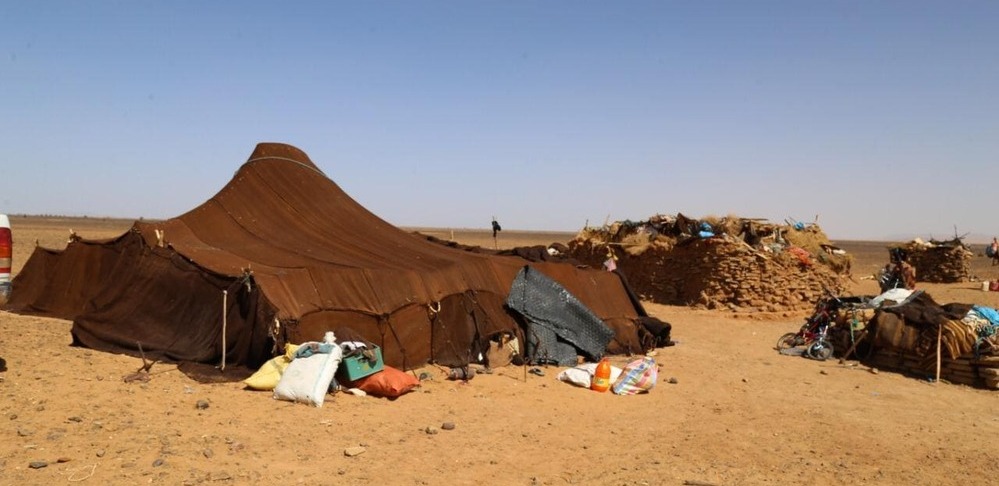
Traditional camel-wool tents are their homes, adapting to all kinds of weather while preserving their cultural heritage. Despite the harsh living conditions, Berber nomads keep their centuries-old Amazigh culture alive, largely thanks to the remote places where they live.
Herding livestock is central to their livelihood, and weekly animal markets help them earn a living.
Travel At Morocco offers travellers the chance to discover the nomad way of life and meet nomad families, who warmly welcome visitors with traditional Moroccan tea flavoured with mint or local herbs.
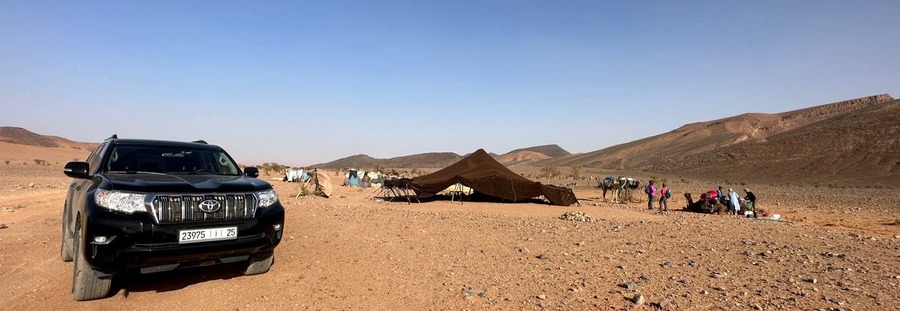
During these visits, guests can learn about many aspects of nomad life, including caring for animals, building tents and preparing traditional Berber dishes such as the famous Berber pizza. They can also learn about the intricate craft of weaving textiles and carpets, which plays an important role in Berber culture.
Overall, experiencing the life of Berber nomads in Morocco offers a deep connection with a resilient community, rooted in tradition and living in harmony with nature.
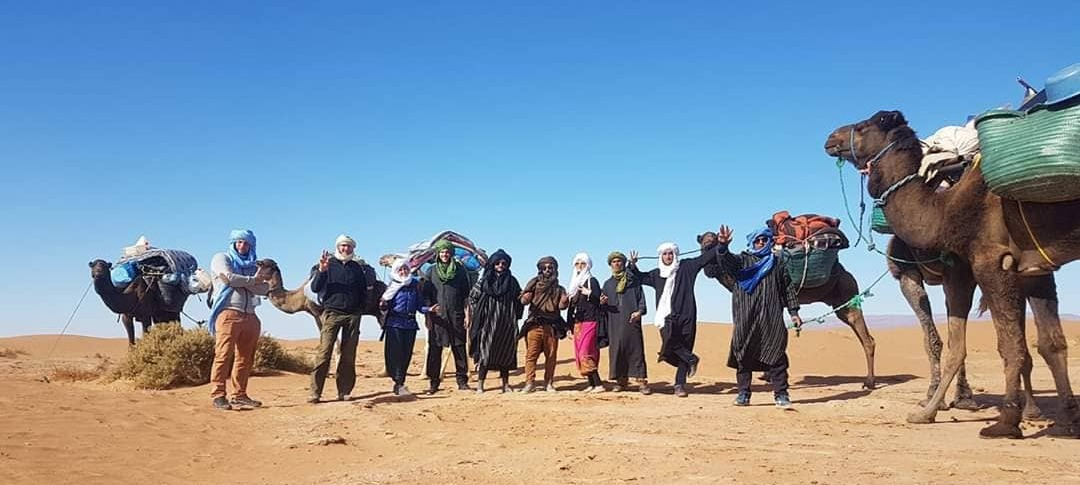
The Connection Between the Berber Nomads of Morocco and the Tuareg
The connection lies in their shared heritage, cultural practices and historical migrations across North Africa. Both groups belong to the wider Berber (Amazigh) people and have similar traditional lifestyles based on nomadic or semi-nomadic herding and trading. Although they live in different regions, the Berber nomads of Morocco and the Tuareg share cultural traits such as language, traditional clothing, music and folklore. They also face similar challenges, including preserving their cultural identity in the face of modernisation and political change.
Historically, both groups crossed vast desert regions, creating trade routes and cultural exchanges across the Sahara. This shared history has created a common sense of identity and mutual understanding between Berber nomad communities across North Africa. Although there are some differences in their customs and dialects, their strong cultural ties and shared history bind them together as part of the wider Berber world.